Certificates for the fuels that power the energy sector.
Biogas, renewable natural gas, hydrogen, and other eligible fuels. One certificate for every dekatherm.
What a Fuels Certificate is.
A Fuels Certificate records the attributes of one dekatherm of fuel: what the fuel was made from, how it was made, and how much carbon it took to make it (its carbon intensity), and where and when it was produced. The fuel moves through the market; the certificate carries the claim, serialized and tracked so it can be made exactly once.
Fuels covered.
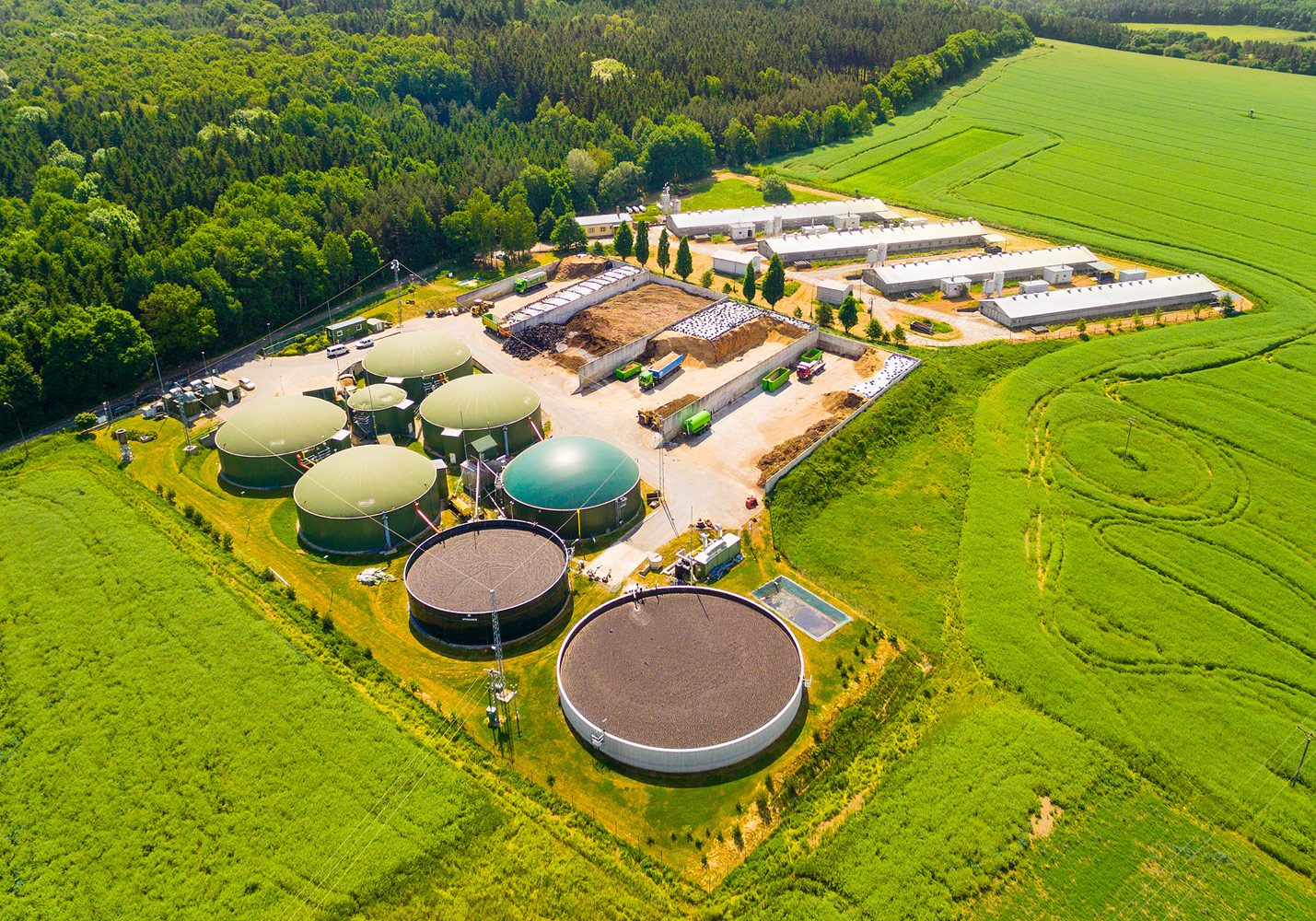
The registry tracks biogas and renewable natural gas (RNG) from landfills, agriculture, wastewater, and organics, and hydrogen. CleanCounts is North America's first registry to issue a green hydrogen certificate under a PUC-approved tariff. CleanCounts also tracks and issues EACs for certain non-renewable fuel resources such as abandoned coal mine methane.
Carbon intensity and verification.
Fuels Certificates carry carbon intensity (CI) data verified through independent reporting entities (IREs) operating under signed agreements and the IRE verification process in the Operating Procedures. Verification discipline is what lets a fuel's claim survive an audit.
Where Fuels Certificates are used.
Voluntary buyers nationwide retire Fuels Certificates for corporate claims and under certification programs. Regulators with compliance programs in Washington, Oregon, California and internationally use the CleanCounts registry directly. And generators have the optionality to participate in external regulatory programs such as the California Low Carbon Fuel Standard and the U.S. EPA Renewable Fuel Standard to support a strong and credible energy market.